Why Choosing the Right Running Shoes for Men Can Boost Your Performance?
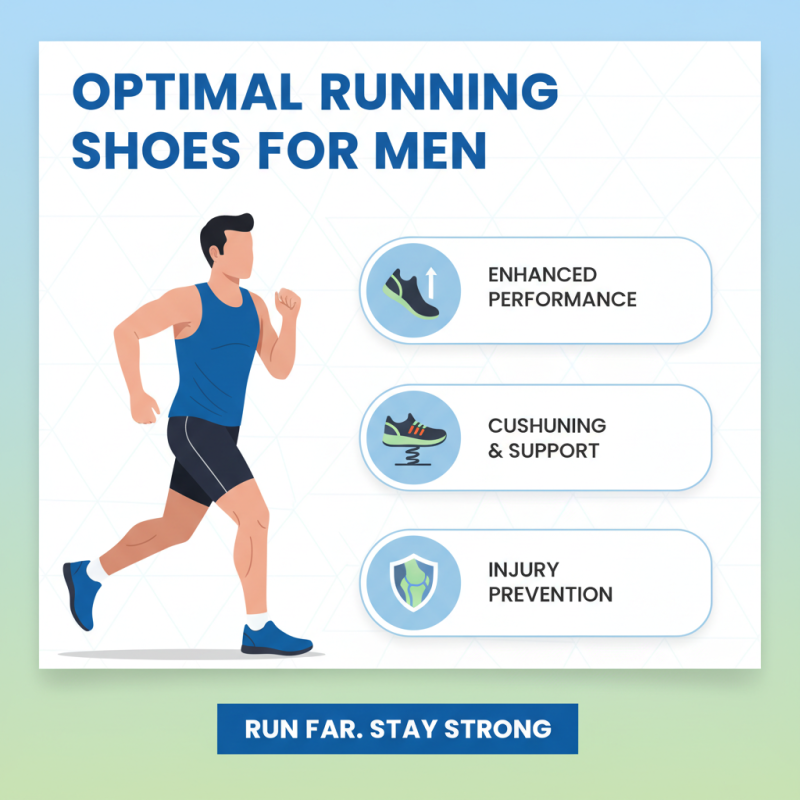
Selecting the right running shoes men is crucial for anyone seeking to enhance their athletic performance and overall comfort during runs. According to a recent report by the American Council on Exercise, the proper footwear can significantly reduce the risk of injuries by up to 50% among runners. This underscores the importance of choosing shoes that provide adequate support, cushioning, and fit, tailored specifically to the biomechanics of male runners.
Studies also reveal that the right pair of running shoes can lead to improved efficiency, allowing runners to maintain better form and conserve energy. The International Journal of Sports Physiology and Performance highlights that optimal footwear can enhance running economy, which is a critical factor in long-distance running. As men engage in various terrains and distances, understanding the intrinsic relationship between shoe design and running performance can empower them to make informed choices, ultimately contributing to improved speed and endurance.

Importance of Proper Footwear in Running Performance
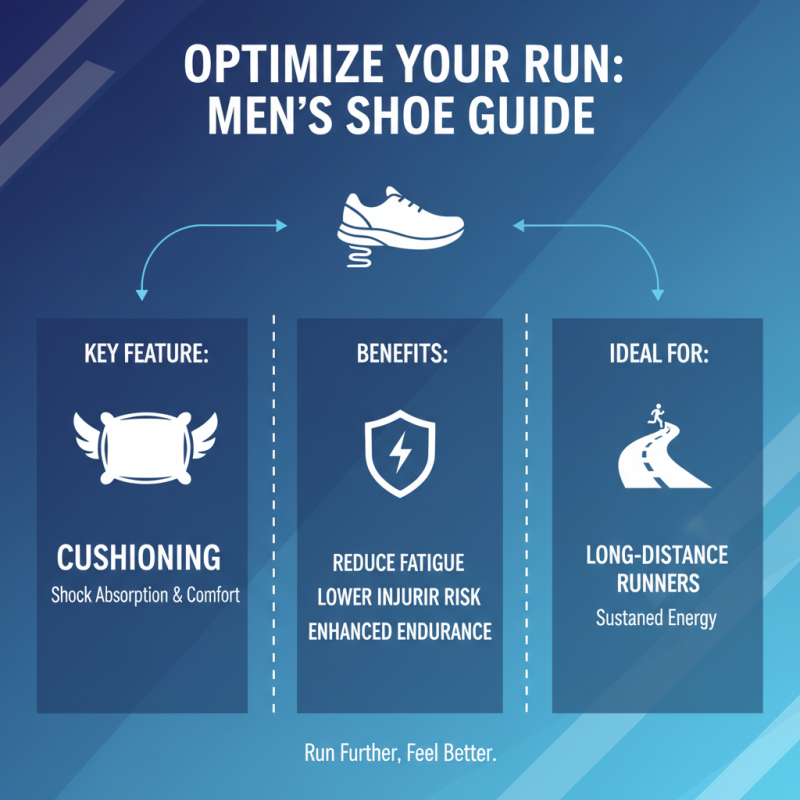
Selecting the right running shoes is crucial for enhancing overall performance, particularly for men who engage in regular running activities. Proper footwear plays a vital role in ensuring comfort and reducing the risk of injury. Running shoes are specifically designed to provide the necessary cushioning, support, and stability required during physical exertion. For instance, a well-cushioned shoe can absorb impact, enabling runners to maintain a higher level of energy and endurance throughout their sessions.
Furthermore, the fit of running shoes significantly influences running technique and biomechanics. Shoes that improperly fit can lead to blisters, calluses, and even long-term foot problems. Conversely, shoes that fit well promote a natural running posture, allowing for a more efficient stride and improved performance. When the feet are well-supported, runners can focus on their goals without distraction or discomfort. Therefore, investing time in choosing the right running shoes tailored for individual foot types and running styles can lead to better results and a more enjoyable running experience.
How Different Running Styles Affect Shoe Selection
When choosing running shoes, understanding your running style is crucial to enhancing performance and preventing injury. Different runners exhibit distinct biomechanics, including variations in foot strike patterns—such as heel striking, midfoot striking, and forefoot striking. Each of these styles puts different demands on the shoes, influencing the type of cushioning, stability, and flexibility that will serve the runner best. For instance, heel strikers may benefit from shoes with more cushioning in the heel to absorb shock, while midfoot and forefoot strikers might prefer shoes that offer more responsiveness and less cushioning, allowing for a quicker transition and better propulsion.
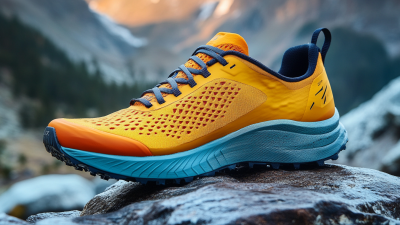
Additionally, running terrain plays a significant role in shoe selection. Trail runners require shoes with robust tread patterns and enhanced grip to tackle uneven surfaces, while road runners generally favor lightweight shoes that provide a smooth ride on pavements. Furthermore, factors such as arch type and pronation—whether the runner tends to overpronate, underpronate, or has a neutral gait—should also be considered. By analyzing these aspects, runners can select shoes tailored to their specific needs, ultimately leading to improved comfort, performance, and a more enjoyable running experience.
Impact of Shoe Fit and Comfort on Performance
The fit and comfort of running shoes significantly influence athletic performance, as substantiated by various studies. A report from the American Council on Exercise highlights that improperly fitted shoes can lead to discomfort, pain, and a higher risk of injury, which ultimately impedes a runner's ability. Comfort affects running efficiency; when shoes fit well, they allow for better energy transfer from the foot to the ground, facilitating a smoother stride. Specifically, a study published in the Journal of Sports Sciences found that runners wearing shoes that properly fit their foot shape showed a 5-10% improvement in running economy compared to those in ill-fitting shoes.
Moreover, the importance of comfort in footwear can't be overstated. An analysis conducted by the University of Massachusetts found that discomfort during running could lead to a decline in performance levels by as much as 15%, as athletes become preoccupied with their discomfort rather than focusing on their running mechanics. Proper cushioning, support, and fit not only enhance comfort but also contribute to a runner's psychological state, allowing them to perform at their best without distraction. Therefore, investing in the right running shoes tailored for individual foot characteristics is paramount for maximizing performance and minimizing the risk of injuries.
| Shoe Type |
Fit Type |
Comfort Rating (out of 10) |
Performance Impact (%) |
| Cushioned Running Shoes |
Neutral |
9 |
15 |
| Stability Running Shoes |
Moderate |
8 |
12 |
| Trail Running Shoes |
Aggressive |
7 |
10 |
| Minimalist Running Shoes |
Snug |
6 |
8 |
| Cross-Training Shoes |
Flexible |
8 |
11 |
Long-term Benefits of Choosing the Right Running Shoes
Choosing the right running shoes can significantly enhance a runner's long-term performance by addressing key aspects such as comfort, support, and injury prevention. Proper footwear can reduce the risk of common running injuries like shin splints, plantar fasciitis, and stress fractures, which often arise from inadequate shoe support. When shoes are tailored to match an individual’s foot shape and running style, it helps maintain optimal biomechanics during training, allowing for more efficient energy use and endurance over time.
In addition to injury prevention, high-quality running shoes contribute to improved performance metrics. Well-fitted shoes can enhance stability and traction, leading to better control on various surfaces. This agility not only elevates a runner's confidence but can also translate into faster race times. Over the long haul, the combination of injury reduction and enhanced performance fosters a more enjoyable running experience, encouraging consistency in training and ultimately leading to personal records and sustained athletic growth. Investing in the right footwear is therefore essential for both short-term comfort and long-term success in the sport of running.
Impact of Running Shoe Quality on Performance Metrics
This chart illustrates the average time to completion of a running course based on different types of cushioning in running shoes. As shown, maximal cushioning tends to result in the fastest completion times, highlighting the long-term benefits of selecting the appropriate running footwear.